

Kenya, known for its vibrant culture, breathtaking landscapes, and diverse wildlife, is also renowned for its exceptionally delicious coffee. The fertile soil, high altitudes, and perfect climate combine to create an ideal environment for growing high-quality Arabica coffee beans. Let's delve into the unique characteristics of Kenyan coffee and explore why it has gained worldwide recognition among coffee enthusiasts.
1. The Origins of Kenyan Coffee:
Coffee cultivation in Kenya dates back to the late 19th century when the British introduced coffee plants from Ethiopia. Over time, the highlands of central Kenya became known as one of the best coffee-growing regions in the world.
2. Unique Growing Conditions:
The combination of volcanic soils, optimal altitude (ranging from 1,400 to 2,000 meters above sea level), and consistent rainfall in Kenya's coffee-growing regions contribute to the coffee's exceptional flavor. The specific geography and microclimates lead to slow coffee maturation and denser beans, resulting in a rich and nuanced flavor profile.
3. Flavor Profile:
Kenyan coffee is celebrated for its intense and bright acidity, with pronounced fruity and wine-like flavors. You can expect hints of blackcurrant, tropical fruit, and citrus notes in every sip. The stringent grading system ensures that only the highest quality beans, with distinct flavor characteristics, are exported from Kenya.
4. Handpicked and Carefully Processed:
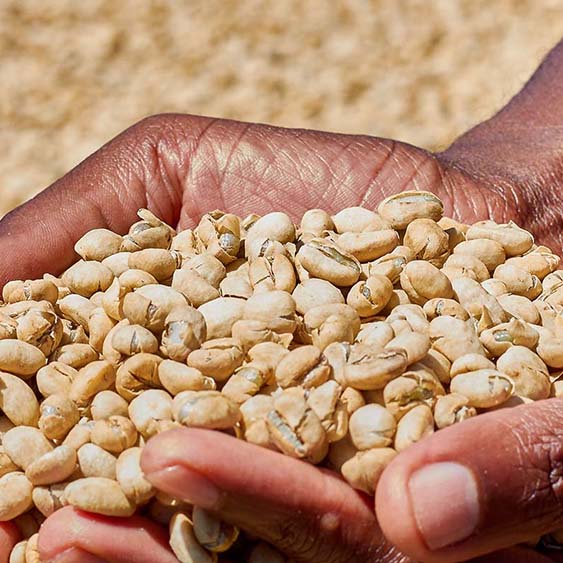
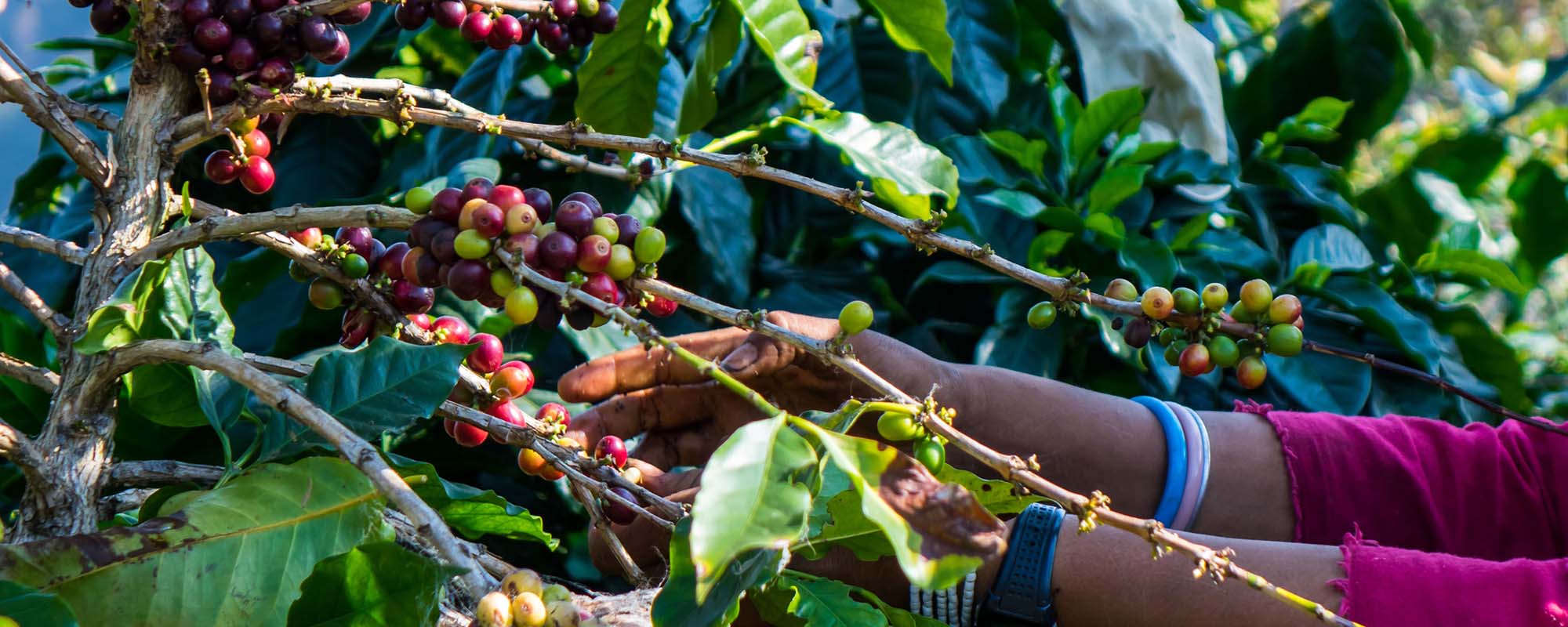
One notable aspect of Kenyan coffee production is the meticulous attention to detail in handpicking only the ripest cherries. Skilled farmers spend hours selectively harvesting the cherries, ensuring the highest quality crops. The beans are then processed through the wet method, which involves fermenting and washing the cherries before sun drying them on raised beds, adding to the coffee's distinct taste.
5. Cooperative System and Direct Trade:
In Kenya, most coffee production is managed through cooperatives, allowing small-scale farmers to pool their resources and benefit from shared knowledge and support. This cooperative system promotes fair trade practices and ensures that farmers receive fair compensation for their hard work and dedication.
6. Ethical and Sustainable Practices:
In recent years, Kenyan coffee farmers have embraced sustainable farming practices. Many coffee estates prioritize environmental conservation, water management, and organic cultivation methods. This commitment ensures a long-term supply of exquisite coffee while preserving the natural ecosystem
7. Global Recognition and Specialty Coffee:
BKenyan coffee consistently ranks among the world's finest coffees, and its exceptional quality has gained recognition from professional coffee tasters and specialty coffee buyers worldwide. Kenyan coffee often features prominently in specialty coffee shops and roasteries, allowing coffee lovers to experience its distinctive flavors globally.
Conclusion
Kenyan coffee exemplifies the artistry and dedication of its skilled farmers. From the highland slopes to your cup, every step of its production is carried out with precision and care. The carefully cultivated coffee cherries result in a cup that is both enticing and complex, delivering a one-of-a-kind sensory experience for coffee connoisseurs. So, the next time you sip a cup of Kenyan coffee, take a moment to appreciate the rich history, unique flavors, and fair trade practices that make it truly special.