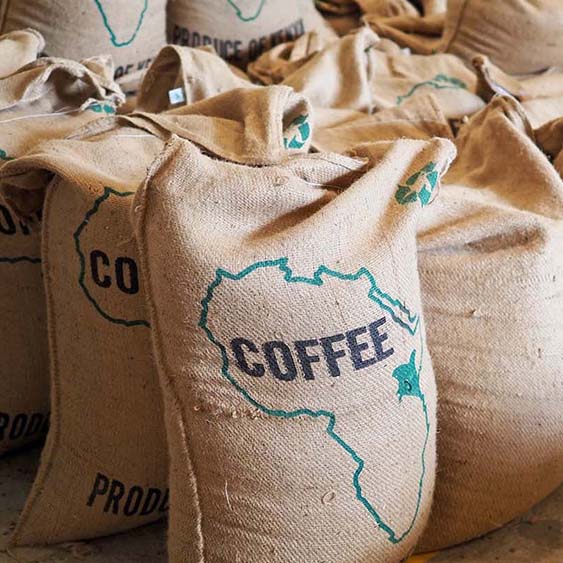


In the intricate world of coffee, the art of blending stands as a testament to human ingenuity and culinary creativity. Coffee roasters, akin to maestros crafting a symphony, meticulously combine beans from various origins to achieve a harmony of flavors, balance, and complexity. One star player in these blends is Kenyan premium Arabica coffee, celebrated for its bold, vibrant flavor profile. When combined with beans from other regions, the resulting blend offers a multitude of benefits for roasters and coffee enthusiasts alike
1. Elevating Flavor Complexity
Kenyan Arabica is renowned for its distinctive flavor notes, often characterized by bright acidity, fruity tones, and hints of wine. By blending it with beans from different regions, roasters can enhance this complexity, introducing layers of flavors that might include chocolatey undertones from Central American beans or nutty, earthy notes from Indonesian coffees. This amalgamation creates a richer and more nuanced cup, enabling a delightful sensory experience.
2. Achieving Balance
While Kenyan coffee's boldness is its strength, it can sometimes be overpowering. Blending it with beans that have milder profiles can create a more balanced beverage. For instance, South American coffees, known for their smooth, medium body, can temper the sharp acidity of Kenyan beans, leading to a well-rounded cup that appeals to a broader range of palates. This balance is crucial for roasters aiming to cater to diverse tastes.

3. Consistency in Quality
Seasonal variations and environmental factors can affect the availability and quality of coffee beans. By blending Kenyan Arabica with beans from other regions, roasters can mitigate these inconsistencies. This strategy ensures a steady supply and uniform flavor profile throughout the year, providing consumers with a reliable and familiar coffee experience every time they brew a cup.
4. Cost-Efficiency
Premium single-origin beans, like those from Kenya, can be expensive. Blending these high-cost beans with more affordable ones enables roasters to create cost-effective products without compromising on quality. This approach can be particularly beneficial for businesses looking to maintain premium offerings while managing production costs effectively.
5. Innovation and Market Differentiation
Blends allow roasters to innovate and differentiate their products in a crowded market. By creating unique flavor combinations, they can offer distinctive blends that capture the attention and loyalty of coffee aficionados. The inclusion of Kenyan premium Arabica, with its exceptional reputation, enhances the appeal and perceived value of these blends.
In conclusion, blending Kenyan Arabica with other regional coffees unlocks a world of possibilities. It enriches the flavor, ensures consistency, balances profiles, provides cost-efficiency, and fosters innovation – all of which elevate both the roaster's craft and the consumer's experience.