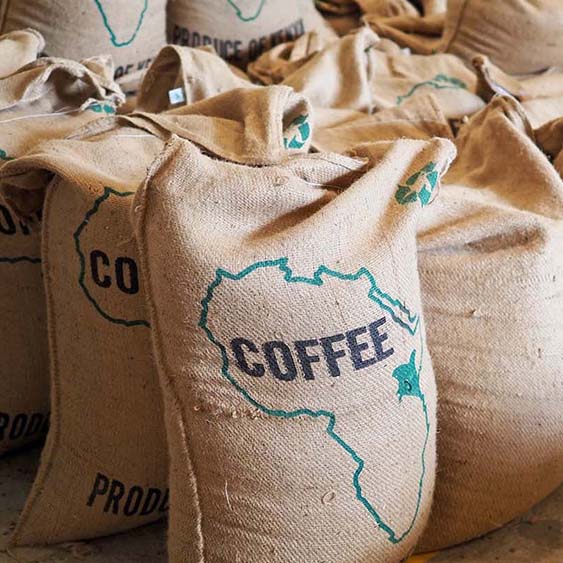


Coffee lovers around the world have become increasingly aware of the importance of ethical sourcing, traceability, value for money, and environmental sustainability when it comes to their favorite brew. Kenyan coffee has been gaining popularity among connoisseurs for these very reasons.
The rich and complex flavors of Kenyan coffee are not the only reason why it has captured the hearts of coffee enthusiasts. Ethical sourcing is a significant aspect of the Kenyan coffee industry. Many coffee farmers in Kenya are part of cooperatives or small-scale family-owned farms that are dedicated to fair treatment of workers and sustainable practices. By ensuring fair wages and good working conditions for farmers and laborers, the industry is able to support the livelihoods of those involved in the production process.
Moreover, the emphasis on traceability in the Kenyan coffee industry allows consumers to track the journey of their coffee from bean to cup. This transparency provides reassurance to coffee drinkers that their brew is not only of high quality but also ethically sourced. Knowing where your coffee comes from and the processes involved in its production adds value to the drinking experience, creating a connection between the consumer and the community responsible for growing and harvesting the beans.

When it comes to value for money, Kenyan coffee stands out for the exceptional quality it offers. While it may be priced slightly higher than other varieties, the unique flavor profiles and meticulous care taken in its production make it a worthwhile investment for coffee lovers. The distinct fruity and floral notes, along with the bright acidity and full body, make Kenyan coffee a standout choice for those looking for a premium coffee experience without compromising on taste or ethics.
In addition to ethical sourcing and value for money, environmental sustainability is a key focus of the Kenyan coffee industry. Many coffee farms in Kenya are committed to sustainable farming practices that minimize the impact on the environment. This includes initiatives such as water conservation, natural pest control methods, and organic farming techniques. By prioritizing sustainability, the industry not only ensures the longevity of coffee production in the region but also contributes to the preservation of the ecosystem for future generations.
Overall, the growing demand for ethical sourcing, traceability, value for money, and environmental sustainability in the coffee industry has put Kenyan coffee in the spotlight. With its commitment to fair trade practices, transparency in sourcing, premium quality, and eco-friendly initiatives, Kenyan coffee embodies the values that discerning consumers seek in their cup of joe. So the next time you savor a cup of Kenyan coffee, know that you're not just enjoying a delicious brew - you're also supporting a community dedicated to upholding ethical standards and preserving the environment for years to come.